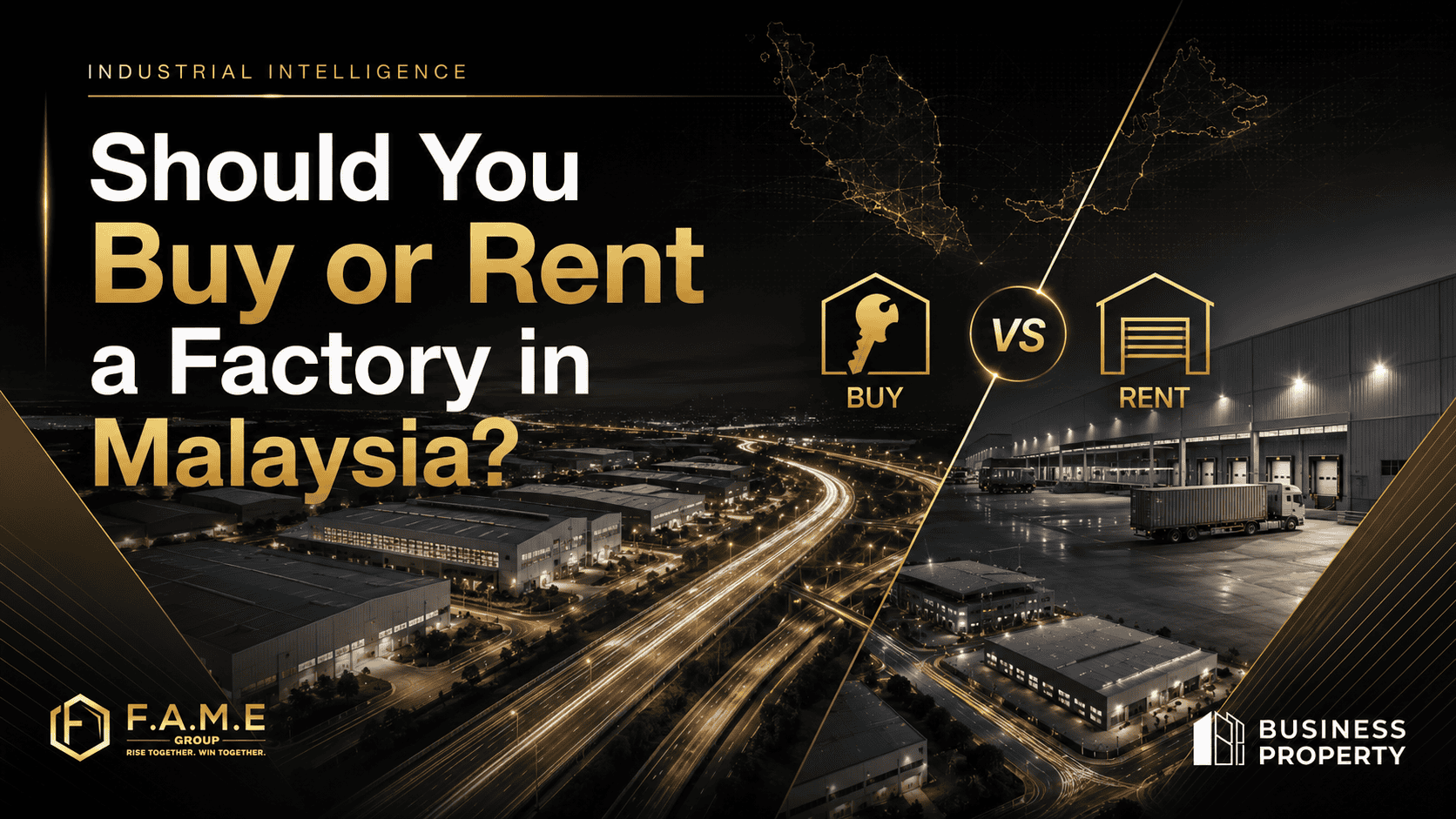
Is Owning a Factory Still the Right Move in Today’s Market?
For many businesses, owning a factory has long been seen as a major milestone. It offers stability, long term control and the opportunity to build equity over time.
However, today’s business environment is changing.
With evolving supply chains, changing customer demands and increasing emphasis on operational flexibility, some businesses are asking a different question.
Is owning still the best option, or does renting make more sense for where the business is today?
The answer depends less on market conditions and more on business strategy.
Why More Businesses Are Rethinking Their Property Strategy?
Industrial property decisions are no longer based solely on affordability.
Many businesses are now evaluating how property supports their long term operational goals.
Questions commonly include:
• Will this location support future expansion?
• How much capital should be tied up in property?
• Will our production requirements change over the next five years?
• Are we better off investing in machinery, technology or additional manpower property.
When Buying May Make Sense
Owning a factory can be a suitable choice for businesses with stable operations and long term growth plans.
Potential advantages include:
• Greater control over the property
• Freedom to renovate or customise the premises
• Long term stability without lease renewals
• Potential capital appreciation over time
• Opportunity to build a long term business asset
For owner occupiers with a clear long term strategy, ownership may provide greater certainty.
When Renting May Be the Better Choice
Renting can offer flexibility that many growing businesses value.
It may be suitable for companies that:
• Expect rapid business expansion
• Need to preserve cash flow
• Are entering a new market
• Require flexibility to relocate in the future
• Prefer to invest capital into business operations rather than property ownership
Rather than viewing renting as a temporary solution, many businesses see it as a strategic business decision.
The Decision Is About More Than Cost
Comparing monthly loan repayments with rental payments tells only part of the story.
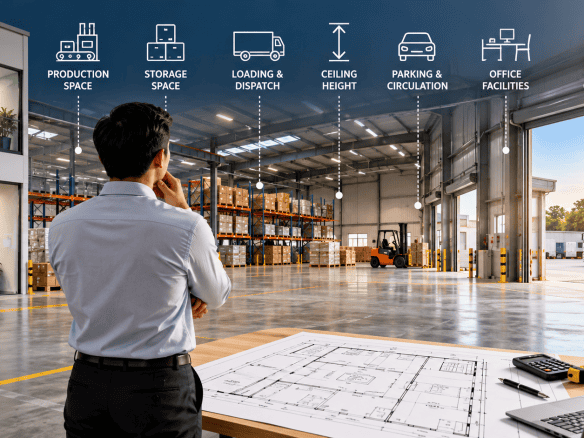
Businesses should also consider:
• Cash flow requirements
• Expansion plans
• Operational flexibility
• Financing availability
• Future workspace requirements
• Power supply needs
• Logistics efficiency
• Property maintenance responsibilities
A property that supports business growth may deliver greater value than one chosen primarily on purchase price or rental cost.
Market Observation
Across Malaysia’s industrial market, both owner occupiers and tenants continue to play important roles.
Some established manufacturers are actively acquiring industrial properties as part of their long term growth strategy.
At the same time, many expanding SMEs and logistics companies continue to lease facilities that allow them to remain flexible as their operations evolve.
Rather than one approach replacing the other, businesses are selecting the option that best aligns with their operational objectives.
Our Take
Buying and renting are not competing strategies.
They are different tools for different stages of business growth.
The most successful property decisions begin with understanding how the business is expected to operate over the coming years, rather than trying to predict short term market movements.
Choosing the right industrial property is ultimately about selecting a solution that supports efficiency, growth and long term business objectives.