Everything Business Owners, Investors and Manufacturers Need to Know Before Purchasing a Factory, Warehouse or Industrial Land
Introduction
Malaysia continues to be one of Southeast Asia’s preferred destinations for manufacturing, logistics and industrial investment. Supported by strong infrastructure, strategic trade routes, competitive operating costs and government initiatives, demand for industrial properties remains healthy across major industrial corridors.
Whether you are expanding your manufacturing operations, relocating your warehouse or investing in industrial real estate, choosing the right property requires more than comparing prices. Understanding location, land tenure, infrastructure, legal requirements and future growth potential can help you make a better long-term investment.
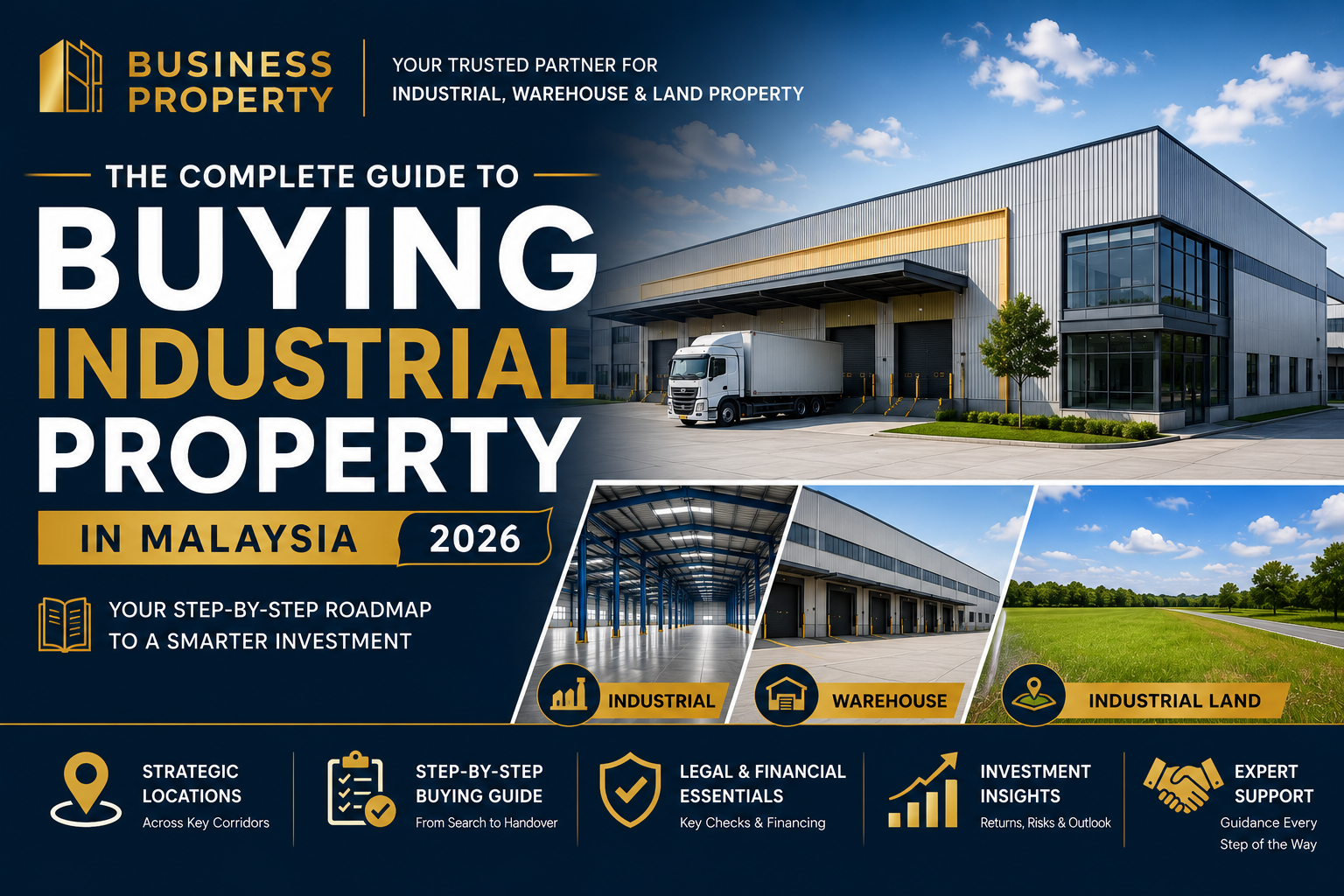
This guide explains everything you need to know before buying industrial property in Malaysia.
What is Industrial Property?
Industrial property refers to land and buildings used for manufacturing, warehousing, logistics and related business operations.
• Detached factories
• Semi-detached factories
• Terrace factories
• Warehouses
• Industrial land
• Logistics facilities
• Build-to-suit developments
Industrial properties differ from commercial properties because they are designed to support operational activities rather than retail or office use.
Why invest in Industrial Property?
Industrial property has become increasingly attractive due to several long-term trends.
Growing manufacturing sector
Malaysia continues to attract manufacturers from electronics, automotive, medical devices, food processing and engineering industries.
As manufacturing expands, demand for factories and industrial land also increases.
Expansion of logistics and e-commerce
The rapid growth of e-commerce has increased demand for:
- Warehouses
- Distribution centres
- Last-mile logistics facilities
Businesses increasingly require locations with excellent highway connectivity and access to ports and airports.
Limited industrial land supply
Many mature industrial areas have limited land available for new developments.
This creates long-term appreciation potential for strategically located industrial properties.
Long-term capital appreciation and rental demand
Businesses often prefer renting before committing to purchasing.
This creates opportunities for investors seeking recurring rental income.
Factory vs Industrial Land
One of the first decisions buyers face is whether to purchase an existing factory or develop on industrial land.
| Existing Factory | Industrial Land |
|---|---|
| Immediate operations | Custom factory design |
| Faster business setup | Longer development timeline |
| Existing infrastructure | Greater flexibility |
| Higher purchase price | Additional construction costs |
| Lower project risk | Higher development potential |
Existing factories are suitable for businesses that need immediate operational space, while industrial land is often preferred by developers and companies requiring customised facilities.
Freehold vs Leasehold
• Freehold: Long-term ownership and stronger resale potential.
• Leasehold: Lower acquisition cost and common in established industrial parks.
For more information on Freehold vs Leasehold, click here.
Key Factors Before Buying
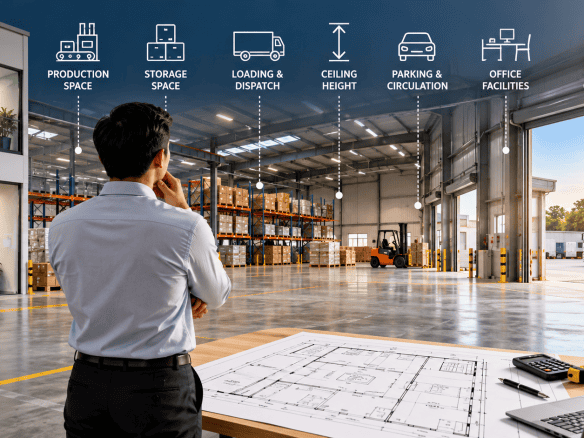
• Location
• Highway connectivity
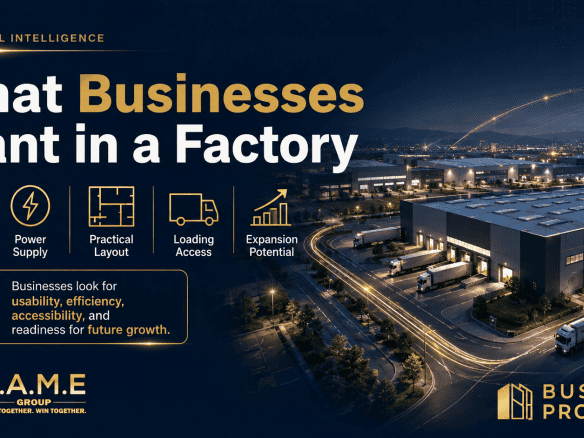
• Power supply
• Ceiling height
• Floor loading
• Trailer accessibility
• Future expansion
• Land Usage
• Land Zoning
Restriction in Interest
Review the land title carefully as State Authority approval may be required for certain transactions.
For more information on What is Restriction in Interest: Click here
Foreign Ownership
Foreign buyers may purchase industrial property subject to Malaysian regulations and state requirements.
Major Industrial Corridors in Klang Valley
Frequently Asked Questions (FAQ)
Is industrial property a good investment?
Yes, particularly in strategic industrial corridors with strong infrastructure.
What should I check before buying?
Before buying an industrial property, check the following:
• Location & connectivity – Access to highways, ports, airports, suppliers, customers and suitability for heavy vehicles
• Zoning & permitted use – Confirm land zoning, category, conditions and allowed industrial activities
• Restriction in interest – Check if State consent is required for transfer, charge or lease
• Land tenure & ownership – Freehold/leasehold status, remaining lease period and ownership details
• Power supply – Electricity capacity and feasibility/cost of upgrading if needed
• Building layout – Ceiling height, column spacing, production, warehouse and office suitability
• Floor loading – Ability to support machinery, racking and heavy goods
• Access & loading – Road access, truck entry, turning space and loading facilities
• Approvals & condition – Building approvals, CCC, and physical condition (roof, structure, drainage, fire safety)
• Flood risk & surroundings – Flood history, drainage and nearby land use impact
• Expansion potential – Space or redevelopment potential for future growth
Buyers should carry out legal, technical and financial due diligence before signing the Sale and Purchase Agreement, and engage relevant professionals where necessary.
Which corridor should I choose?
Select based on operational requirements, logistics and workforce.
What documents are required?
The required documents may vary depending on the property type, ownership and intended use. Generally, buyers should check:
• Copy of land title (ownership, land category, tenure, express conditions, restriction in interest)
• Latest land search (registered owner, charges, caveats, encumbrances)
• Sale and Purchase Agreement (price, payment terms, completion period, conditions)
• Quit rent and assessment receipts (to ensure no outstanding payments)
• Approved building plans, planning approval and local authority approvals
• Certificate of Completion and Compliance (if applicable)
• Tenancy agreement and rental records (if the property is tenanted)
• Utility details (electricity, water supply, power capacity)
• Company documents and board resolutions (if purchased under a company)
• Financing documents (if purchase involves bank loan)
Buyers should also confirm zoning, land use conditions, licensing and environmental requirements. It is advisable to engage a lawyer, banker and relevant technical consultant before completing the purchase.